
If you have ever searched for a simple 3D game comparison guide, you’re probably trying to understand which simple 3D games stand out, what makes one better than another, and how to choose the right one without diving into complicated technical jargon.
So let’s walk through a complete, detailed comparison guide together—written in a friendly, easy-to-follow way—so you can confidently pick the perfect 3D game for your taste and device.
What Is a Simple 3D Game?
Before we begin comparing, it’s important to understand what qualifies as a “simple” 3D game.
Key qualities of simple 3D games:
- Easy Controls: You don’t need complex key combinations or advanced skills to start playing.
- Beginner-Friendly Mechanics: The gameplay is straightforward, clear, and doesn’t require long tutorials.
- Light Graphics: These games use optimized, often stylized visuals that run smoothly on most devices.
- Short Play Sessions: You can start and stop anytime without losing progress or momentum.
- Accessible to All Ages: Simple 3D games are designed so anyone can enjoy them—kids, beginners, or casual players.
A simple 3D game’s goal is fun and smooth gameplay, not overwhelming players with complexity.
Simple 3D Game Comparison Guide: What to Evaluate
This simple 3D game comparison guide breaks down the most important categories for comparing 3D games. By the end, you’ll know exactly how to judge any 3D game you encounter.
1. Graphics Style and Performance
Not all 3D games aim for hyper-realistic graphics. In fact, many simple 3D games purposely go for a light, low-poly, or cartoonish design.
What to look for:
a. Graphics Style
- Realistic: High-detail textures and lighting. Requires stronger hardware.
- Low-Poly: Popular for simple 3D games. Clean, blocky, and visually appealing.
- Cartoon-Styled: Soft, colorful, friendly-looking graphics.
- Minimalist: Simple shapes and colors. Great for fast performance.
b. Performance Needs
Ask:
- Does it run well on low-end devices?
- Does it require a powerful GPU?
- Is there a mobile-friendly version?
A good simple 3D game should balance beautiful visuals and smooth performance.
2. Gameplay Mechanics
Gameplay is the heart of any comparison in a simple 3D game comparison guide. Different games offer different experiences.
Most common gameplay styles:
a. Adventure
You explore worlds, solve small tasks, or complete missions.
b. Endless Runner
The character moves automatically, while you control jumps, slides, or turns.
c. Puzzle-Based 3D
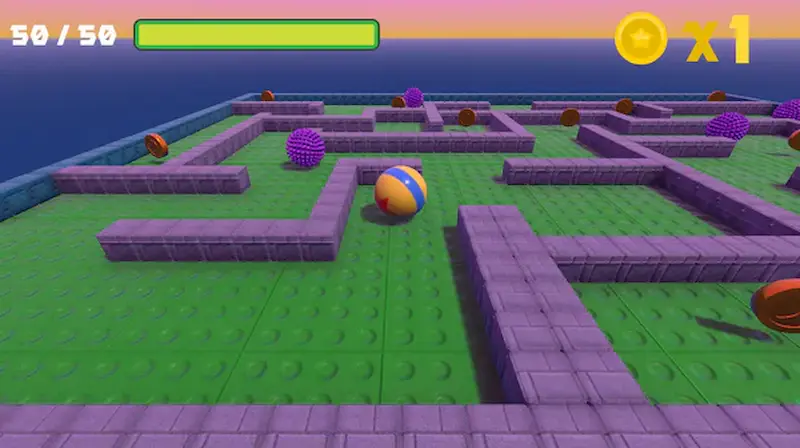
You rotate objects, push blocks, move through mazes, or solve spatial puzzles.
d. Simulation
Simple building, driving, farming, or operating systems in 3D.
e. Action / Combat (Light)
Fast, simple battles with basic controls.
Questions to compare:
- Is the gameplay fast-paced or slow?
- Is it relaxing or challenging?
- Does it get repetitive or stay interesting?
3. Difficulty and Learning Curve
A great simple 3D game should be easy enough for beginners yet enjoyable for returning players.
Difficulty comparison points:
- Beginner Level: Easy to understand within seconds.
- Medium Level: Requires timing and attention.
- Challenging: Fast reaction-based or strategy-heavy gameplay.
If you’re looking for stress-free fun, stick to beginner-friendly or moderate difficulty.
4. Device Compatibility

This is one of the biggest concerns for players.
Check for:
- Supported Devices: PC, mobile, consoles, tablets
- Minimum RAM Requirements
- Offline or Online Mode
- Touchscreen-friendly controls (for mobile)
- Controller support (for PC/console)
A solid simple 3D game should run smoothly on at least mid-range smartphones or laptops without overheating or lag.
5. Replay Value
A simple 3D game can feel boring quickly if it lacks replay value.
Replay value depends on:
- Level variety
- Game modes
- Randomly generated stages
- Increasing difficulty
- New characters, skins, or items
- Daily rewards or missions
Compare games based on how long they remain fun to play.
You may also like to read this:
Gaming Groups For Beginners | Join Friendly Communities
Honest 3D Game Reviews Online – Trusted Gamer Opinions
Best New 3D Games To Play In 2025 For Every Gamer
Trending 3D Games 2026 Review: Top Must-Play Titles
How Player Feedback on 3D Games Improves Gameplay
Examples to Help Your Simple 3D Game Comparison Guide
Below are common types of simple 3D games and what makes them different. These examples help you understand how to compare games effectively.
1. Low-Poly Adventure Games
Best for: Relaxing exploration
Pros: Light on the device, beautiful scenery, easy movement
Cons: May lack deep missions or long-term goals
2. Endless Runner 3D Games
Best for: Quick play sessions
Pros: Fast, addictive, beginner-friendly
Cons: Levels may repeat after some time
3. Puzzle-Based 3D Games
Best for: Thinking and relaxing at the same time
Pros: Brain-engaging, clean visuals, calming background music
Cons: Some puzzles get hard over time
4. Casual 3D Simulation Games
Best for: Creative players
Pros: Build, control, or manage things easily
Cons: Can become repetitive if no new features
How to Choose the Best Simple 3D Game (Step-by-Step)
Here’s a quick, practical method to choose the perfect 3D game:
Step 1: Decide your mood
- Want relaxing gameplay? → Puzzle or exploration
- Need fast action? → Endless runner
- Love creating things? → Simulation
Step 2: Check your device
- Low-end device → Low-poly or minimalist
- High-end device → Any 3D game is fine
Step 3: Compare gameplay length
- Short sessions → Runner or puzzle
- Long sessions → Adventure or simulation
Step 4: Look at reviews
- Check comments on controls, lag, and graphics
Step 5: Try 2–3 games
- Simple 3D games are small in size, so testing is easy
Conclusion
This detailed simple 3D game comparison guide shows you exactly how to evaluate and compare 3D games based on graphics, gameplay, difficulty, replay value, and device compatibility. Once you know what to look for, choosing the right simple 3D game becomes easy and enjoyable.
Whether you prefer relaxing puzzles, fast-paced runners, or creative simulations, this guide helps you pick the perfect match.
FAQs: Simple 3D Game Comparison Guide
1. What is a simple 3D game?
A simple 3D game is a lightweight, easy-to-play game that uses three-dimensional graphics but keeps controls, gameplay, and mechanics straightforward. These games are designed for all players, especially beginners or casual gamers who want fun without complexity.
2. What should I compare when choosing a simple 3D game?
You should compare several key factors:
Graphics style (realistic, low-poly, minimalist)
Gameplay mechanics
Difficulty level
Device performance requirements
Replay value
Controls and user experience
These factors help determine whether a game fits your device and gaming style.
3. Are simple 3D games suitable for low-end devices?
Yes. Many simple 3D games are optimized for low-end devices. Low-poly, cartoon-styled, and minimalist 3D games usually run smoothly on older mobiles, basic laptops, or budget PCs.
4. Do simple 3D games have good graphics?
Not all simple 3D games have high-end graphics, but many use creative styles like low-poly, pastel shading, smooth animations, and soft lighting to look visually pleasing without heavy system requirements.
5. Can I play simple 3D games offline?
Many simple 3D games offer offline modes, especially puzzle, adventure, and simulation categories. Endless runner games and some multiplayer-focused games may require internet.