
Introduction
Game development has evolved rapidly over the last decade, and one of the most important elements in modern games is game character models 3d. These models bring life, personality, and realism to virtual worlds. Whether it is a fantasy RPG hero, a futuristic soldier, or a cartoon-style character, everything starts with a 3D model. Without game character models 3d, games would feel empty and lifeless.
Today, both beginners and intermediate creators are showing interest in learning how these models are created. The demand is growing not only in gaming studios but also in animation, film production, and virtual reality industries. Understanding game character models 3d is no longer optional for aspiring designers; it is a core skill.
In this article, you will learn everything from the basics to advanced workflows. We will explore how models are created, why they are important, common mistakes, benefits, and expert tips. By the end, you will have a clear roadmap to start your journey in 3D character creation.
What is Game Character Models 3D?
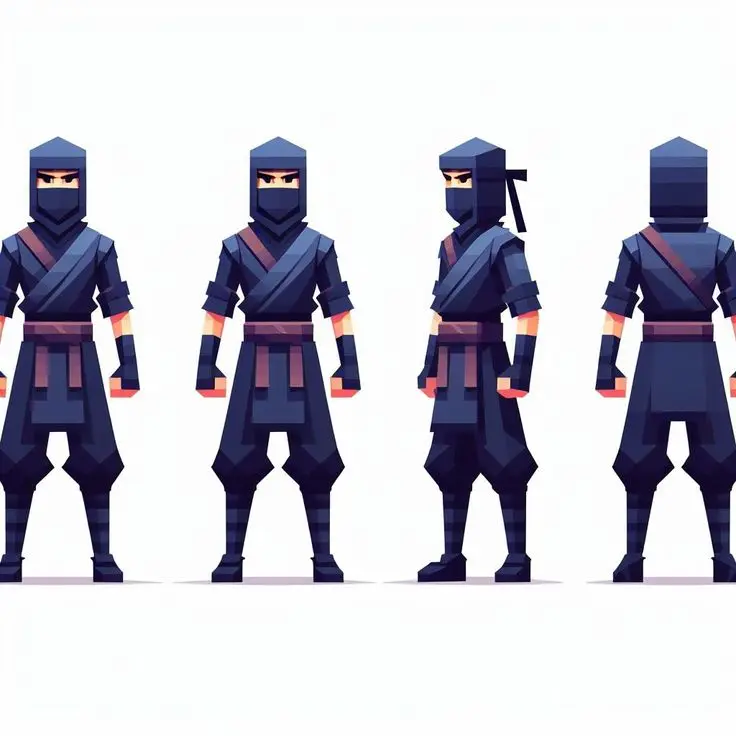
Game character models 3d are digital representations of characters created using specialized 3D software. These models are built using polygons, textures, and rigs to allow movement and interaction in a game environment.
A 3D character model is not just a static image. It is a fully designed object that can walk, run, fight, and express emotions. Artists carefully craft each detail, including facial features, clothing, and body structure.
In simple terms, game character models 3d are the foundation of any playable or non-playable character in a video game. They act as the visual identity of the game and play a major role in storytelling.
These models are used in:
- Video games
- Animation films
- Virtual reality experiences
- Metaverse environments
Without them, modern gaming experiences would not exist in their current form.
Why is Game Character Models 3D Important?
The importance of game character models 3d goes beyond just visuals. They are essential for player engagement and storytelling.
First, they help create emotional connections. Players relate more to characters that look realistic or well-designed. A strong character design can make a game unforgettable.
Second, they improve gameplay experience. Smooth animations and detailed models make the game feel more immersive and enjoyable.
Third, they are crucial for branding. Iconic characters become symbols of entire game franchises.
Other key reasons include:
- Enhancing realism in games
- Supporting storytelling elements
- Improving player immersion
- Increasing commercial value of games
In today’s competitive gaming industry, high-quality game character models 3d can be the difference between success and failure.
Detailed Step-by-Step Guide
Step 1: Concept Design
Every character starts with an idea. Artists sketch the character on paper or digitally. This stage defines personality, style, and appearance.
Step 2: 3D Modeling
In this step, designers use software like Blender, Maya, or ZBrush to build the base structure. This is where game character models 3d start taking shape.
Step 3: Sculpting
Sculpting adds fine details like muscles, facial expressions, and clothing folds. This makes the model more realistic.
Step 4: Texturing
Textures give color and surface details. Skin, fabric, metal, and other materials are added to make the character look natural.
Step 5: Rigging
Rigging is the process of adding a skeleton to the model. This allows movement such as walking, jumping, and fighting.
Step 6: Animation
Animators bring the character to life by creating movements. This is where game character models 3d become interactive.
Step 7: Optimization
Finally, the model is optimized for performance so it runs smoothly in games without lag.
Benefits of Game Character Models 3D
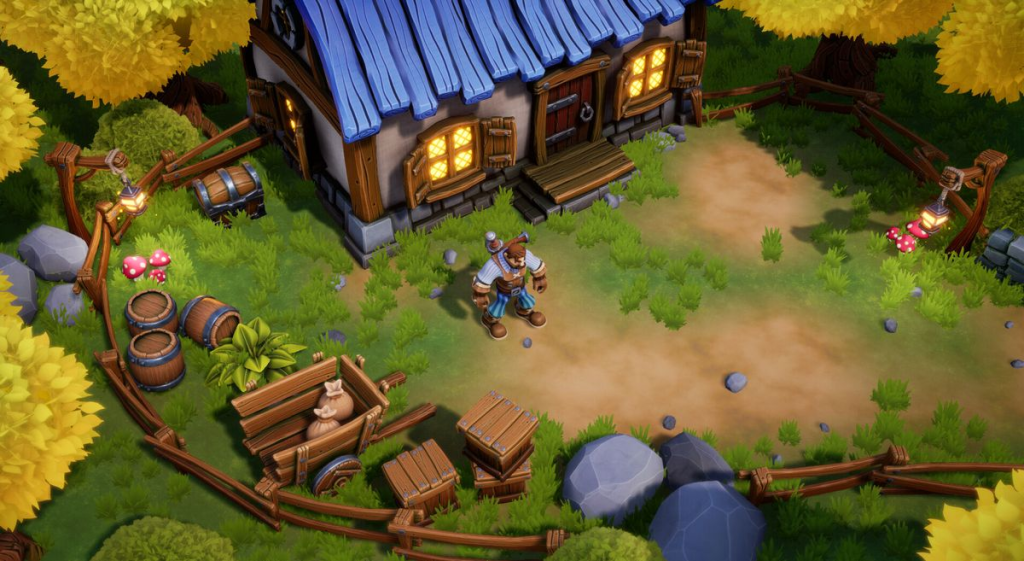
- Provides realistic and immersive gaming experience
- Helps developers create unique and memorable characters
- Enhances storytelling and emotional engagement
- Supports multiple industries like gaming, film, and VR
- Increases market value of games and products
- Allows creative freedom for designers
- Improves user retention in games
Game character models 3d also help developers experiment with creativity without physical limitations.
Disadvantages / Risks
- High learning curve for beginners
- Requires expensive software and hardware
- Time-consuming creation process
- Can cause performance issues if not optimized
- Requires teamwork between multiple artists
- Frequent updates needed for modern engines
Despite these challenges, the demand for game character models 3d continues to grow.
Common Mistakes to Avoid
Many beginners make mistakes that slow their progress. Avoid these common errors:
- Ignoring proper topology structure
- Overloading models with unnecessary details
- Skipping the planning stage
- Poor UV mapping leading to bad textures
- Not optimizing models for game engines
- Using unrealistic proportions
Avoiding these mistakes will significantly improve your game character models 3d quality.
FAQs
1. What software is best for creating game character models 3d?
Blender, Maya, and ZBrush are the most commonly used tools. Blender is best for beginners due to its free access.
2. How long does it take to learn 3D character modeling?
It depends on practice. Basics can be learned in a few months, but mastery takes years of consistent effort.
3. Do I need drawing skills for 3D modeling?
Basic drawing skills help in concept design, but they are not mandatory for creating game character models 3d.
4. Can I earn money from 3D character modeling?
Yes, many freelancers and artists earn by selling models or working with game studios.
5. What is the hardest part of 3D character modeling?
Rigging and optimization are often considered the most challenging parts for beginners.
6. Is 3D modeling a good career?
Yes, it is a highly demanded skill in gaming, animation, and virtual reality industries.
Expert Tips & Bonus Points
To improve your skills in game character models 3d, follow these expert tips:
- Practice daily, even small projects matter
- Study real human anatomy for better accuracy
- Use reference images for better design quality
- Focus on low-poly and high-poly balance
- Learn multiple software tools
- Join online communities for feedback
- Keep your models optimized for performance
Another important tip is to always start simple. Many beginners try to create complex characters too early, which leads to frustration.
Conclusion
Game development continues to grow, and game character models 3d remain at the heart of this industry. From mobile games to high-end AAA titles, every experience depends on well-designed characters. These models are not just visual elements; they are storytelling tools that bring imagination to life.
For beginners, learning game character models 3d may seem challenging at first, but with consistent practice and the right approach, it becomes an exciting and rewarding skill. Understanding the full workflow from concept to final animation gives you a strong foundation in 3D design.
As technology continues to evolve, the demand for skilled 3D artists will only increase. Whether you are aiming for a career in gaming, animation, or freelancing, mastering this skill opens many opportunities.