
Introduction
3D design has become one of the most powerful skills in the digital world today, especially for gaming, animation, architecture, and product design. If you are just starting your creative journey, choosing the right 3D modeling software for beginners can make a huge difference in how fast and easily you learn. Many beginners feel overwhelmed when they first see complex tools used in professional studios, but the truth is that modern tools are much more beginner-friendly than ever before. With the right guidance and practice, anyone can start creating simple 3D models within a few days.
The demand for 3D modeling software for beginners is growing rapidly because industries like gaming, film, and virtual reality rely heavily on 3D content. Whether you want to build characters, environments, or product designs, starting with beginner-friendly software helps you understand the core concepts without frustration. Instead of jumping directly into advanced tools, learning step-by-step ensures long-term success and creativity growth.
In this detailed guide, you will learn everything about 3D modeling software for beginners, including its importance, best practices, step-by-step learning process, benefits, drawbacks, and expert tips. By the end, you will have a clear roadmap to start your 3D journey confidently and effectively.
What is 3D Modeling Software for Beginners?
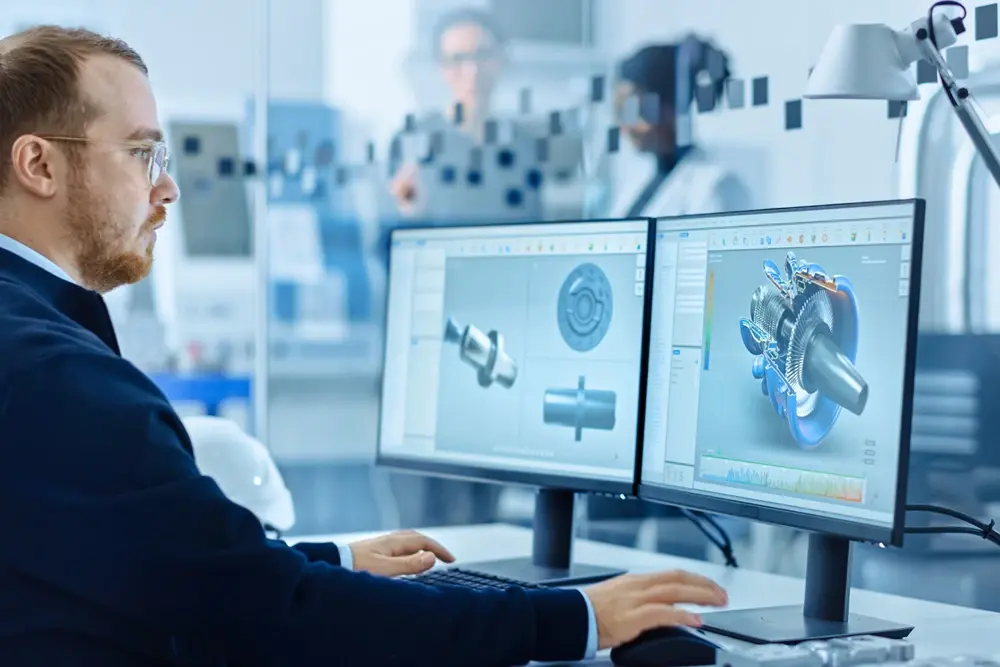
3D modeling software for beginners refers to digital tools designed to help new users create three-dimensional objects in a simple and structured way. These tools allow users to build shapes, characters, environments, and objects using polygons, curves, and digital sculpting methods. Unlike advanced professional tools, beginner software focuses on ease of use, simple interfaces, and guided learning features.
Most 3D modeling software for beginners includes drag-and-drop tools, pre-built templates, and basic modeling functions that help users understand core concepts like scaling, rotation, extrusion, and mesh editing. These features allow learners to gradually improve their skills without feeling overwhelmed.
In addition, many beginner-friendly platforms offer tutorials, community support, and real-time previews, making the learning process more interactive. Popular industries such as gaming, animation, and architecture often recommend starting with 3D modeling software for beginners before moving to advanced applications. This ensures that users build a strong foundation in modeling principles, which is essential for professional growth later on.
Why is 3D Modeling Software for Beginners Important?
Learning 3D modeling software for beginners is important because it builds the foundation for advanced digital design skills. Without a proper starting point, beginners often struggle with complex tools and lose motivation quickly. Beginner-friendly software removes that barrier and helps learners stay consistent.
Another important reason is skill development. When you start with simple tools, you gradually understand how 3D objects are created, manipulated, and optimized. This knowledge becomes essential when you move to professional software later.
Moreover, industries today demand creative professionals who can work with 3D content. From video games to movies and advertising, the need for skilled 3D artists is growing rapidly. Starting with 3D modeling software for beginners gives you a competitive advantage in the job market.
Detailed Step-by-Step Guide
Step 1: Choose the Right Software
The first step in learning 3D modeling software for beginners is selecting the right tool. Look for software that offers a simple interface, free learning resources, and beginner tutorials. Some tools are specifically designed for students and hobbyists.
Step 2: Understand Basic Interface
Before starting modeling, spend time learning the interface. Understand menus, toolbars, navigation controls, and workspace layout. This helps you feel comfortable while working inside the software.
Step 3: Learn Basic Shapes
Start with simple shapes like cubes, spheres, and cylinders. These basic elements are the foundation of all 3D models. Most 3D modeling software for beginners allows easy creation and manipulation of these shapes.
Step 4: Practice Transform Tools
Learn how to move, rotate, and scale objects. These tools are essential for shaping any 3D model. Practice regularly to improve speed and accuracy.
Step 5: Start Simple Projects
Begin with small projects like creating a table, chair, or simple character. This helps you apply your knowledge practically and build confidence.
Step 6: Experiment with Textures
Once you understand modeling, explore textures and materials. This adds realism and depth to your models and enhances visual quality.
Step 7: Learn Lighting Basics
Lighting plays a key role in 3D design. Learn how to adjust light sources to improve the appearance of your models.
Benefits of 3D Modeling Software for Beginners
- Easy to learn for new users without technical background
- Helps build strong foundation in 3D design skills
- Improves creativity and imagination
- Prepares users for advanced professional software
- Offers hands-on practical learning experience
- Widely used in gaming, animation, and architecture fields
- Many free resources and tutorials available online
Disadvantages / Risks
- Limited advanced features compared to professional tools
- May not be suitable for high-end production work
- Some free versions have restrictions
- Requires consistent practice to improve skills
- Can become overwhelming without proper guidance
- Performance issues on low-end computers in some cases
Common Mistakes to Avoid
Many beginners make mistakes when learning 3D modeling software for beginners. One common mistake is trying to learn everything at once. Instead, focus on one tool or feature at a time.
Another mistake is ignoring practice. 3D modeling is a skill that improves with hands-on experience, not just theory.
Beginners also often skip basic shapes and jump directly to complex models, which leads to frustration. Always start simple and gradually increase difficulty.
Finally, many learners do not use tutorials or community support. These resources are extremely helpful and can speed up your learning process significantly.
FAQs
1. What is the best 3D modeling software for beginners?
The best software depends on your goals, but beginner-friendly tools offer simple interfaces, tutorials, and easy navigation features.
2. Is 3D modeling hard to learn?
It may seem difficult at first, but with consistent practice and the right 3D modeling software for beginners, it becomes much easier over time.
3. How long does it take to learn basic 3D modeling?
With daily practice, beginners can learn basic skills within a few weeks using beginner-friendly tools and tutorials.
4. Can I learn 3D modeling for free?
Yes, many 3D modeling software for beginners offer free versions and online learning resources for self-study.
5. Do I need a powerful computer for 3D modeling?
Not always. Basic beginner software can run on average systems, but higher performance helps in complex projects.
6. What can I create as a beginner?
You can start with simple objects like furniture, basic characters, and small environments using 3D modeling software for beginners.
Expert Tips & Bonus Points
Always start with small and simple projects instead of complex designs. This builds confidence and improves understanding. Use keyboard shortcuts to speed up your workflow. Join online communities to learn from other designers and get feedback on your work. Practice regularly instead of learning occasionally, as consistency is key in 3D design. Explore different styles and techniques to find your creative direction. Most importantly, do not rush into advanced tools too early; mastering 3D modeling software for beginners first will give you a strong foundation for future growth.
Conclusion
3D design is one of the most powerful creative skills in today’s digital world, and starting with the right foundation is essential for success. Choosing the right 3D modeling software for beginners helps you avoid confusion and builds confidence as you learn step by step. With simple tools, guided tutorials, and regular practice, anyone can develop strong 3D modeling skills over time.
As you progress, you will notice significant improvement in your creativity, technical understanding, and design thinking. The key is consistency and patience. Instead of rushing into advanced tools, focus on mastering the basics first. This approach ensures long-term success in industries like gaming, animation, architecture, and product design.
Remember, every professional 3D artist once started as a beginner. With dedication and the right 3D modeling software for beginners, you can also build a strong career or hobby in this exciting field. Keep practicing, stay creative, and continue exploring new ideas to grow your skills step by step.